


 * Corresponding Author


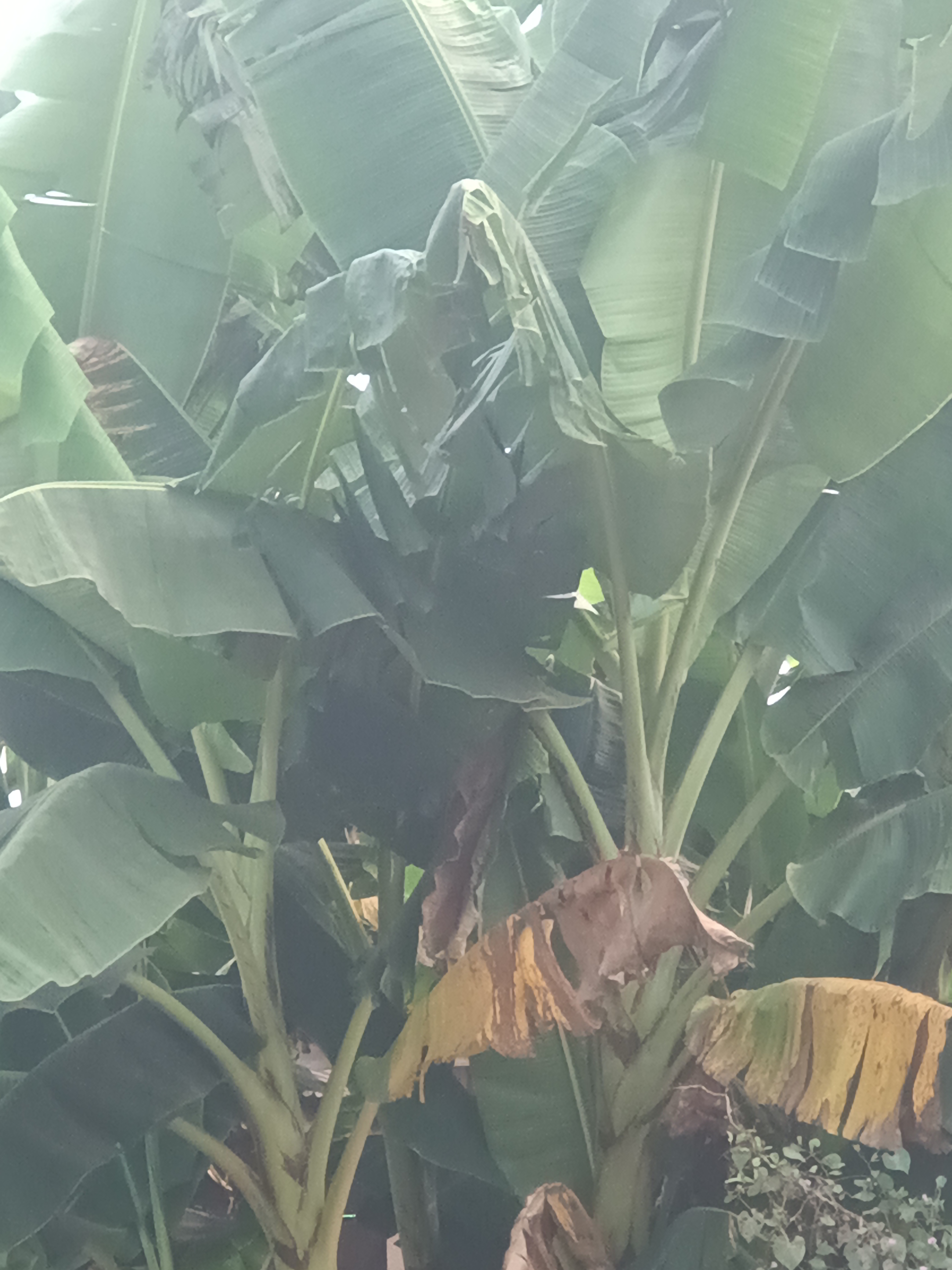
Impact of Paraquat Herbicide Application on Soil Microbial (Bacterial and Fungal) Populations and Some Physico-Chemical Properties of Soils under Plantain (Musa paradisiaca) Plantation
 https://doi.org/10.22146/ipas.105910
 Ikponmwosa Ogbemudia(1*), Edosa Valerie Ifeyinwa(2), Oogboghodo Ikponmwosa Abraham(3), Abamba Esther Ejiro(4)
(1) University of Benin, Benin City. Nigeria
(2) University of Benin
(3) University of Benin
(4) University of Benin
(*) Corresponding Author
Abstract
Keywords
Full Text:
PDFReferences
Cappuccino, J. G., and Sherman, N. (2014). Microbiology: A Laboratory Manual. 10th ed. Pearson, Boston
Cobb, A.H. (2022). Herbicides and plant physiology. Wiley, New York, pp. 1–363.
de Sousa, É. B., Netto‑Ferreira, J. B., Barra, C. M., Alves, B. J. R., Lã, O. R., and Rocha Junior, J. G. (2024). Sustainable Wet Method for Determination of Total Organic Carbon in Soils Using Potassium Permanganate as a Substitute for Potassium Dichromate. Journal of Soil Science and Plant Nutrition, 25, 322–330. https://doi.org/10.1007/s42729-024-02135-8
Dennis, P.G., Kukulies, T., Forstner, C., Orton, T.G. and Pattison, A.B. (2018). The effects of glyphosate, glufosinate, paraquat and paraquat-diquat on soil microbial activity and bacterial, archaeal and nematode diversity. Scientific reports, 8:2119
Farago, D. Z. G. (2022). Small paraquat resistance proteins modulate paraquat and ABA responses and confer drought tolerance to overexpressing Arabidopsis plants. Plant, Cell & Environment, 1985-2003. Retrieved from https://onlinelibrary.wiley.com/doi/pdf/10.1111/pce.14338
Frimpong, J. O., Ofori, E. S. K., Yeboah, S., Marri, D., Offei, B. K. and Apaatah, F. (2018). Evaluating the impact of synthetic herbicides on soil dwelling microbes and the physical state of soil in an agro-ecosystem. Journal Ecotoxicology and Environmental Safety, 156: 205–215.
Gandhi, K., Khan, S., Patrikar, M., Markad, A., Kumar, N., Choudhari, A., Sagar, P. and Indurkar, S. (2021). Exposure risk and environmental impacts of glyphosate: highlights on the toxicity of herbicide co-formulants. Environmental Challenge, 4:100149
Gill, J.P.K., Sethi, N., Mohan, A., Datta, S. and Girdhar, M. (2018). Glyphosate toxicity for animals. Environmental Chemistry Letters, 16:401–426
Guimarães, G.G.F., de Deus, J.A.L., de Lima. and Neto, A.J. (2023). Boundary line method to update critical soil phosphorus and potassium levels in banana plantations in Santa Catarina. Revista Brasileira de Fruticultura, https://doi.org/10.1590/0100-29452023979
Janaki, P., Sharma, N., Chinnusamy, C., Sakthivel, N. and Nithya, C. (2015). Herbicide residues and their management strategies. Indian Journal of Weed Science, 47:329–344
Maheswari, S.T. and Ramesh, A. (2019) Fate and persistence of herbicide residues in India. In: Sondhia S, Choudhury, P. P, Sharma, A. R. (eds) Herbicide residue research in India. Springer. Singapore, pp 1–28
Med, J., Makovia, J., Medova, J., Lipkova, N., Cinkoiki, R., Omelka, R. and Javorekova, S. (2021). Changes in soil microbial community and activity caused by application of dimethaihlor and Linuron. Scientific Reports. 11:12786. https://doi.org/10.1038/s41598.021-91755.6
Meena, R.S., Kumar, S., Datta, R., Lal, R., Vijayakumar, V., Brtnicky, M., Sharma, M.P., Yadav, G.S., Jhariya, M.K. and Jangir, C.K. (2020). Impact of agrochemicals on soil microbiota and management: a review. Land 9:34
Moustaka, J. T. (2015). Leaf age-dependent photoprotective and antioxidative response mechanisms to paraquat induced oxidative stress in Arabidopsis thaliana. International Journal of Molecular Sciences, 13989 - 14006. Retrieved from https://scholar.google.com/scholar?hl=en&as_sdt=0%2C5&q=Leaf+Age Dependent+Photoprotective+and+Antioxidative+Response+Mechanisms+to+Paraquat Induced+Oxidative+Stress+in+Arabidopsis+thaliana&btnG=
Mwendwa, S. (2022). Revisiting soil texture analysis: Practices towards a more accurate Bouyoucos method. Heliyon,8(5), e09395. https://doi.org/10.1016/j.heliyon.2022.e09395
NG, J. F., Ahmed, O. H., Jalloh, M. B., Omar, L., Kwan, Y. M., Musah, A. A. and Poong, K. H. (2022). Soil nutrient retention and pH buffering capacity are enhanced by Calciprill and Sodium Silicate. Agronomy. 12(1): 219. Doi: 10.3390/agronomy12010219
Ogbemudia, I., Edosa, V.I.O., and Ekpemuaka, E. (2022). Influence of Lactobacillus serum on the growth of Amaranthus hybridus and some soil chemical properties under screen house conditions. Ilmu Pertanian (Agricultural Science), 7(2): 112 – 120.
Parven, A., Md Meftaul, I., Venkateswarlu, K. and Megharaj, M. (2025). Herbicides in modern sustainable agriculture: environmental fate, ecological implications, and human health concerns. International Journal of Environmental Science and Technology, 22:1181–1202.
Rathod, R. K., Bhalerao, V. P., Margal, P. B. P., Pawar, P. and Dhandore, R. S. (2021). Soil chemical properties as influenced by pre and post emergence herbicide in sweet corn grown in Vertisols. International Journal of Chemical Studies, 9(1): 1213-1217
Saleh, A., Kawo, A.H., Yahaya, S., Riskuwa, L.M. Ali, M. and Ibrahim, U.B (2022). Effects of Glyphosate and Paraquat Herbicides Application on Soil Bacterial Population. Proceedings of 7th NSCB Biodiversity Conference. Pp. 92 – 97
Singh, M. K., Singh, N. K., and Singh, S. P. (2020). Impact of herbicide use on soil microorganisms. In P. Singh, S. K. Singh, & S. M. Prasad (Eds.), Plant responses to soil pollution, (pp. 179–194). Springer Singapore. https://doi.org/10.1007/978-981-15-4964-9_11
Stanley, H. O., Maduike, E. M., and Okerentugba, P. O. (2013). Effect of herbicide (atrazine and paraquat) application on soil bacterial population. Sky Journal of Soil Science and Environmental Management, 2(9), 88-97.
Sumekar, Y., Komaladewi, R., Dani, U, Nugraha, D. R. and Auliya, G. (2024). Effectiveness of the herbicide paraquat dichloride 135 g/l against weeds in coffee cultivation. International Journal of Botany Studies, 9 (11) 28-30
Teke, E. C., Immanuel, O. M. and James, E. (2024). Effect of Paraquat on Soil Microorganisms. Biological and Environmental Sciences Journal for the Tropics, 21(2) DOI:10.4314/bestj.v21i2.18
Zaller, J. G., Heigl, F., Ruess, L. and Grabmaier, A. (2017). Glyphosate Herbicide Affects Belowground Interactions between Earthworms and Symbiotic Mycorrhizal Fungi in a Model Ecosystem. Scientific Reports, 4: 5634
DOI: https://doi.org/10.22146/ipas.105910
Article Metrics
 Abstract views : 212
|
Abstract views : 212
|  views : 30
Refbacks
- There are currently no refbacks.


_2025_-_kecil_.png)
_2024_kecil_2.png)
Upcoming Issues :
-

Ilmu Pertanian (Agricultural Science) ISSN 0126-4214 (print), ISSN 2527-7162 (online) is published by Faculty of Agriculture Universitas Gadjah Mada collaboration with Perhimpunan Sarjana Pertanian Indonesia (PISPI) and licensed under a Creative Commons Attribution-ShareAlike 4.0 International License.